The Garden after Gaza: First Meditation
The Garden as Sanctuary
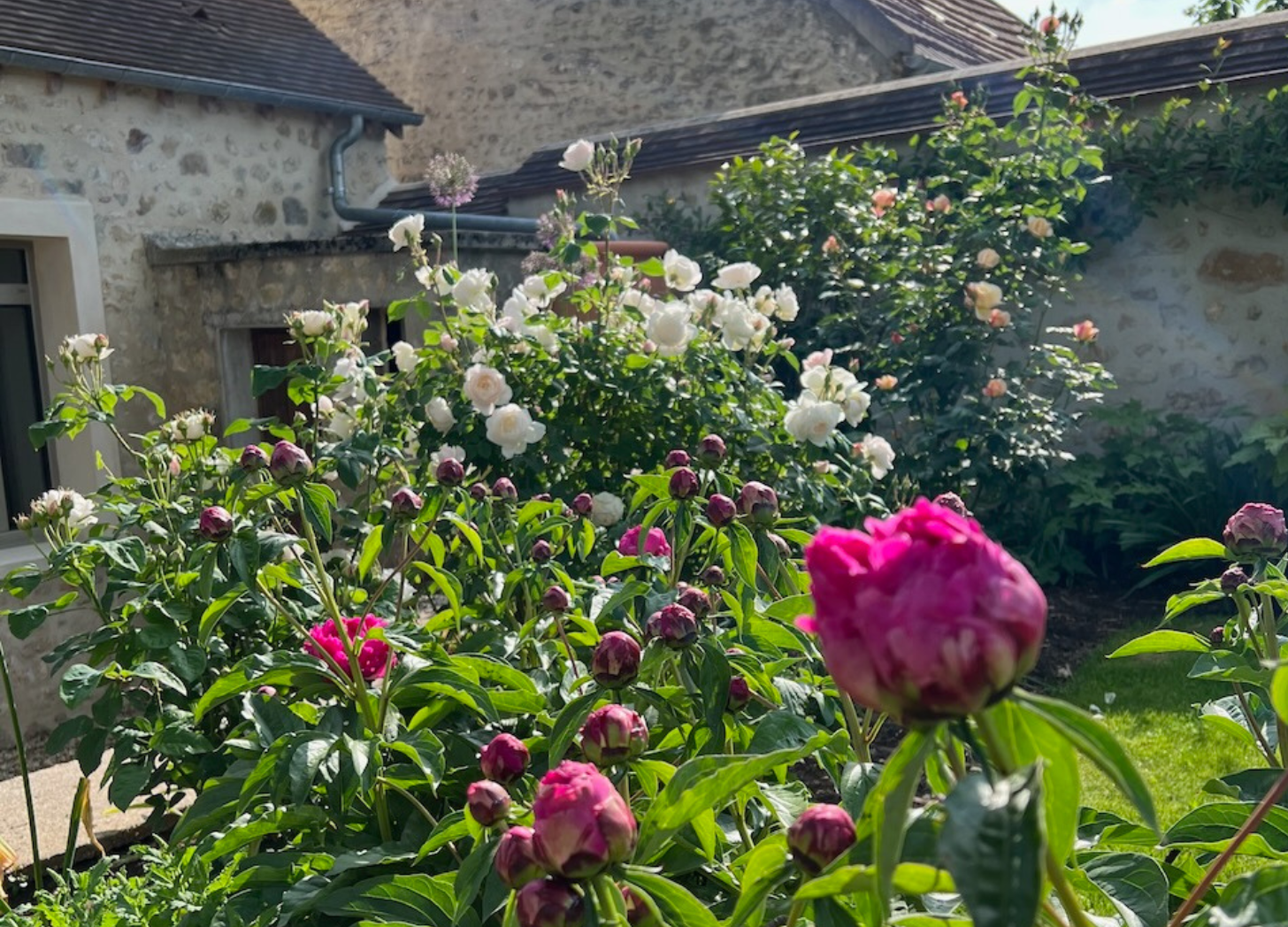
For years, I dreamed of having a French cottage garden with roses climbing up old stone walls and a potager full of herbs and edibles. It would be my sanctuary in a world gone mad, a protected sphere of beauty and nurturance where I could find peace. I finally realized my dream. Then came the obliteration of Gaza.
Beginning with this post, I will share, with the concept of the garden and the practice of gardening as a central theme, a series of brief meditations on the impact on our lives in the West of the obliteration of Gaza and the genocide we have all witnessed of the Palestinian people. We all condemn the awful terrorist attack by Hamas on Israel on October 7, 2023, and mourn the civilians who were killed and kidnapped. But Israel’s response, with the support of the United States and most of Europe, has morphed into a blatant bid to ethnically cleanse Gaza by any means necessary and, in many Western countries, a bid to quash dissent and independent thinking with spurious accusations of anti-Semitism. Anti-Semitism is real, and it is a growing problem. It is an unacceptable, terrifying threat to Jewish people everywhere in the world, and it must be combatted. But to condemn what Israel is doing in Gaza is not an act of anti-Semitism, and to lament the slaughter and starvation of Palestinians is not an act of terrorism.
Beyond the unimaginable suffering of the Palestinians who have been bombed, starved, moved multiple times, deprived of education, healthcare and even water, and killed for sport over the past more than year and a half, the moral credibility of the West lies in ruin. One of the effects of Western complicity in Gaza’s obliteration has been the election of Donald Trump and his rapid moves to install a oligarchic police state that brooks no dissent and that embraces an overt politics of Manifest Destiny bent on restoring the White man’s divine right to pillage the world. Another casualty has been Europe’s supposed fealty (it was always problematic) to universal human rights.
Still, I do believe, that cultivating our gardens, even as we must rethink what the garden is and what it can be, may be one of the only ways we can survive the deluge barreling down upon us.

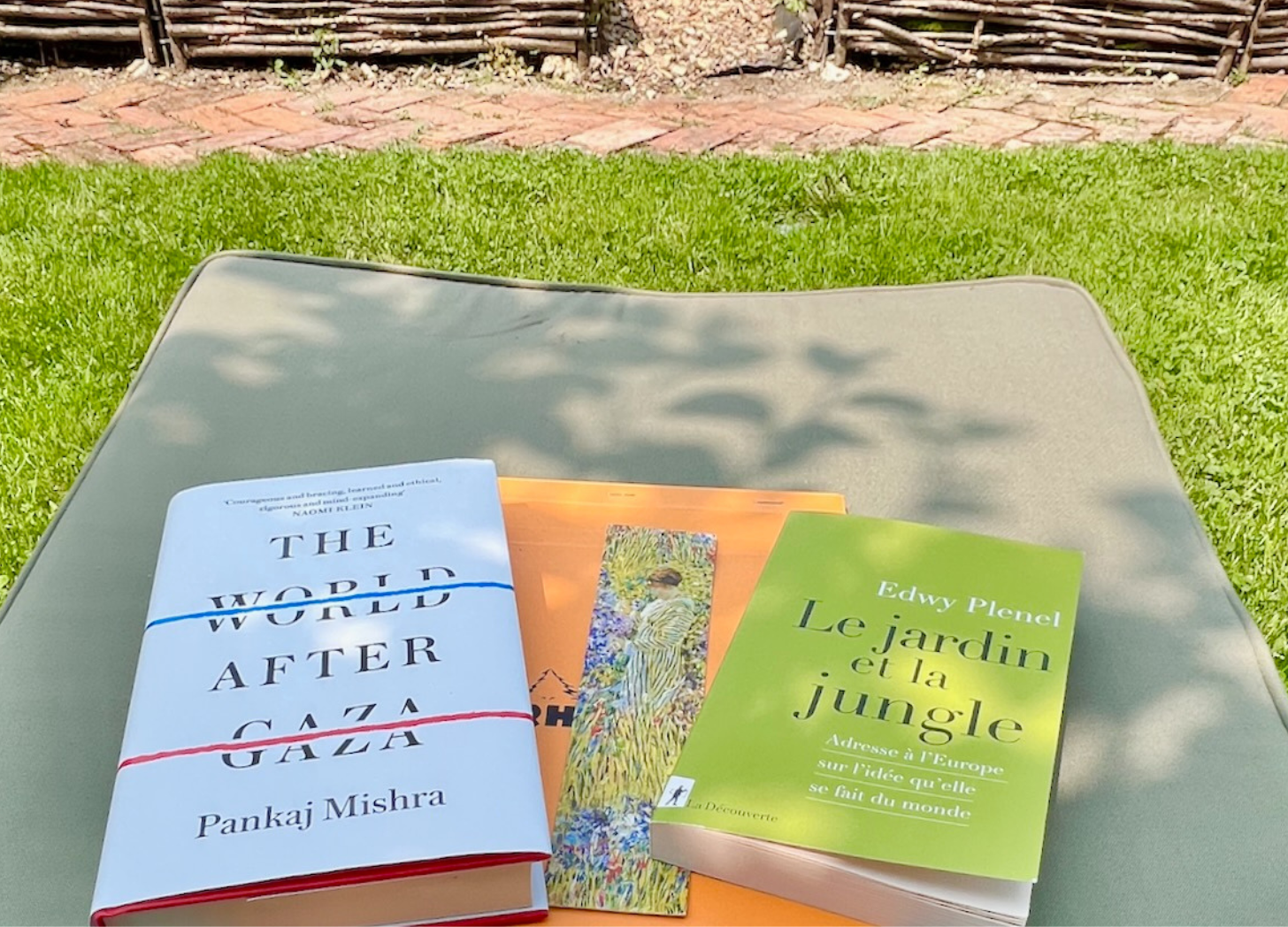
The Western idea of the garden and the practice of gardening are both key to understanding how we have come to such a terrible pass and how we might survive. The topic is vast and so is the literature. For this series of meditations on Substack, I will center my observations around two recent books, Pankaj Mishra’s The World After Gaza, whose title inspired the title of this series, and Edwy Plenel’s Le jardin et la jungle: adresse à l’Europe sur l’idée qu’elle se fait du monde, which can be translated into English as “The Garden and the Jungle: An Address to Europe on Its Idea of the World.”
Meditation One: The Garden as Sanctuary
Six years ago, my dream of a French cottage garden began to become a reality when we bought, with just half the proceeds of the sale of an alcove studio apartment in Brooklyn, New York, an 18th-century stone house and a derelict barn in a village south of Paris. A garden that had been neglected for years, covered ankle-deep in a thick matting of ivy and darkly shaded by half-dead old fruit trees stretched from the back of the barn toward farm fields and the woods beyond.
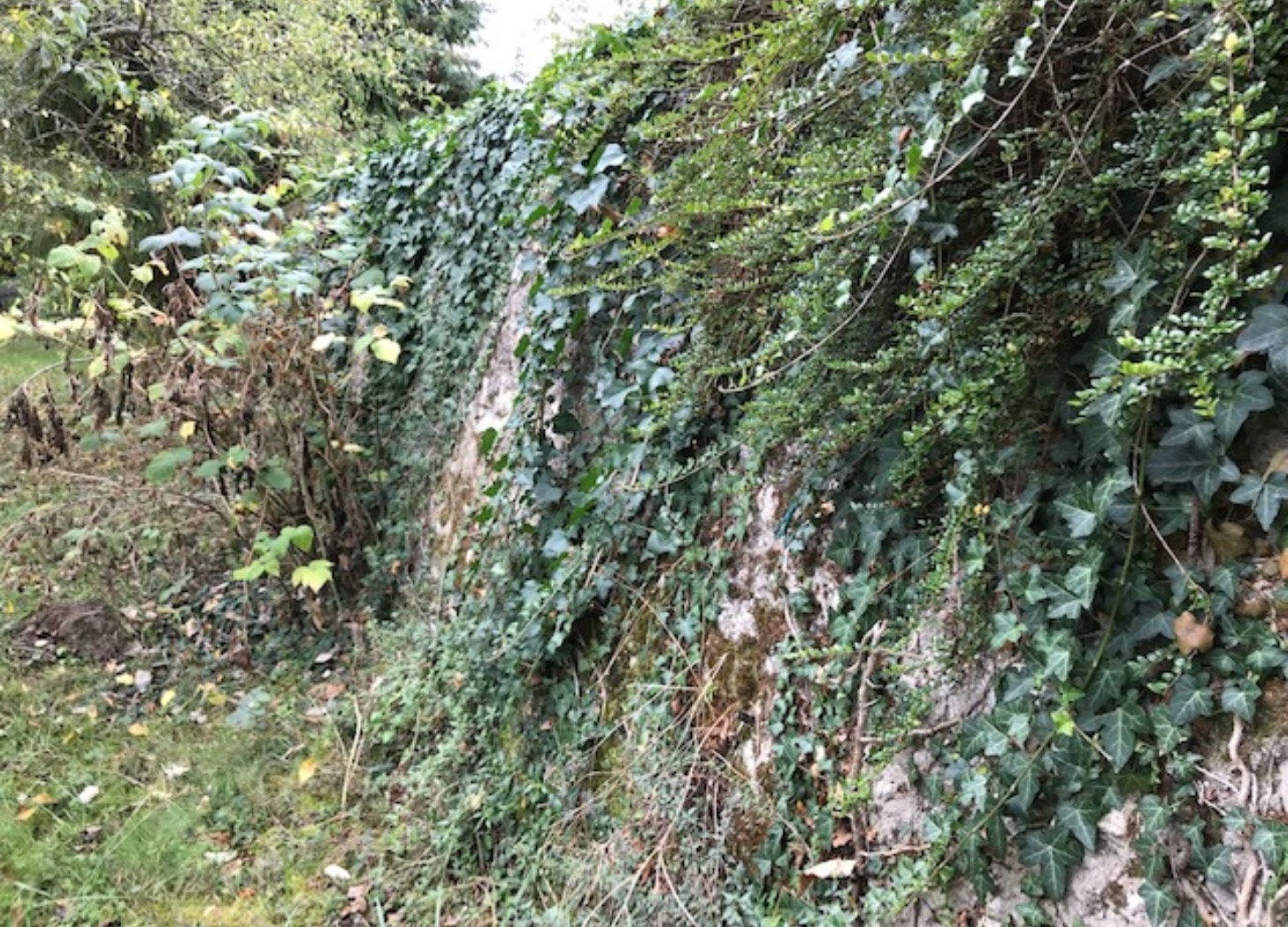
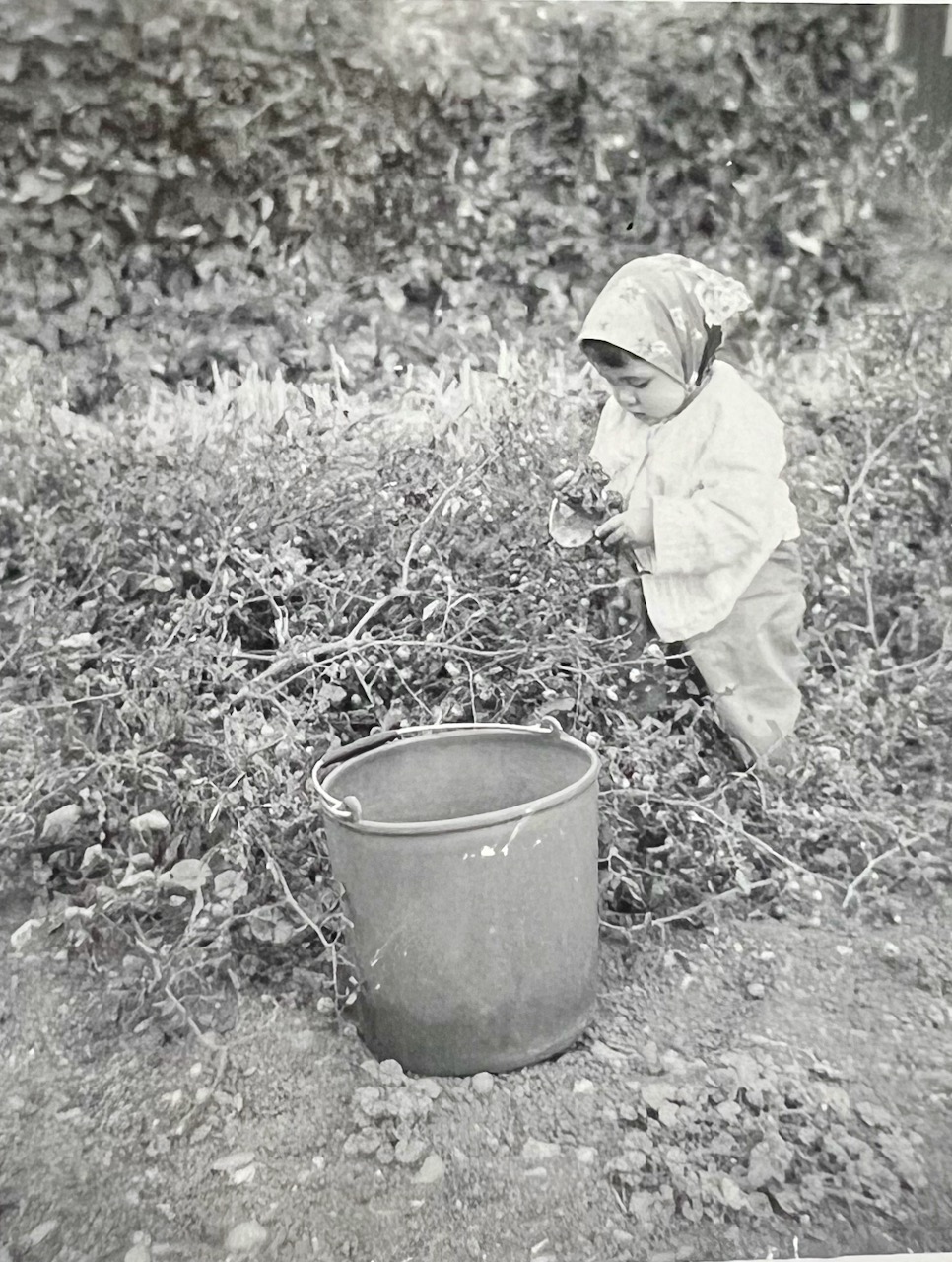
The children who came down from Paris on holidays to the house next door liked to hop the low stone wall that separated our properties to play in what they called “the secret garden,” a slightly scary yet secure place where grownups never ventured that they could fill with their imaginations. With our purchase of the property, the children’s secret garden became mine, a less imaginative place but a place where I could create a haven of restorative sustenance, a place to relax into a peace I could not find elsewhere, and a way to remember my dearly departed horticulturalist mother who introduced me to the pleasures of the garden from earliest life.
My French country garden began, as many gardens did, in March 2020 when the pandemic hit just a few months after we had purchased our country home. Like many other people around the world lucky enough to have access to private outdoor space removed from cities and their contagion, I fled Paris with my daughter and her boyfriend to take refuge in our country house during the first two-month-long COVID lockdown in France. As I wrote at the time for the New York Review of Books’ ‘Pandemic Journal,’ I was separated from my husband, a Parisian doctor who stayed in the city, tending to patients who sickened and, in some cases, died; volunteering at local hospitals; risking his life at a time when no vaccine yet existed. I did not know if I would ever see him again, and the fear of losing him haunted the most beautiful spring during which it has ever been my privilege to live: No traffic on the pin-drop quiet streets, no airplanes in the sky, no air pollution — just the old village church bell ringing the hour while birds and their songs filled the clear, soft air as the trees bloomed and leafed into new life. With little else to do, I set about clearing our land and creating the garden of my dreams.
A garden during COVID lockdown makes one think immediately, of course, of The Decameron, Giovanni Boccaccio’s 14th-century masterpiece about a group of comely, intelligent and talented storytelling youths taking refuge from a plague that has ripped through medieval Florence, filling the city with corpses and upending social order. My garden is far more modest than the manicured grounds around the Tuscan country villa in which Boccaccio’s merry band took gay respite from the plague, their every desire catered to by a staff of maidservants and manservants, but it was my own little sanctuary from pestilence and I was well grateful for it.
The idea of the garden as a place protected from the horrors of a world in upheaval where one can find restorative peace is far older than Boccaccio’s 14th-century tale. It is constitutive of what “garden” has meant in the West for at least as long as a word for it has existed. Here it is:
The garden as a protected paradise walled off from a chaotic and violent world is an idea that dates back to the most ancient reaches of Western history and literature. The Latin word for garden, hortus, as found today in “horticulture,” means “enclosure”. So does the English word “garden,” which derives at its most ancient reaches from the Proto-Indo-European gʰerdʰ, which means an enclosure, a fence. Woe be unto those who let down their guard, a word with the same root.
If you have read Karel Čapek’s wonderful book, The Gardener’s Year, playfully illustrated by his brother, cartoonist Josef Čapek, you have a good idea of what kind of gardener I am.
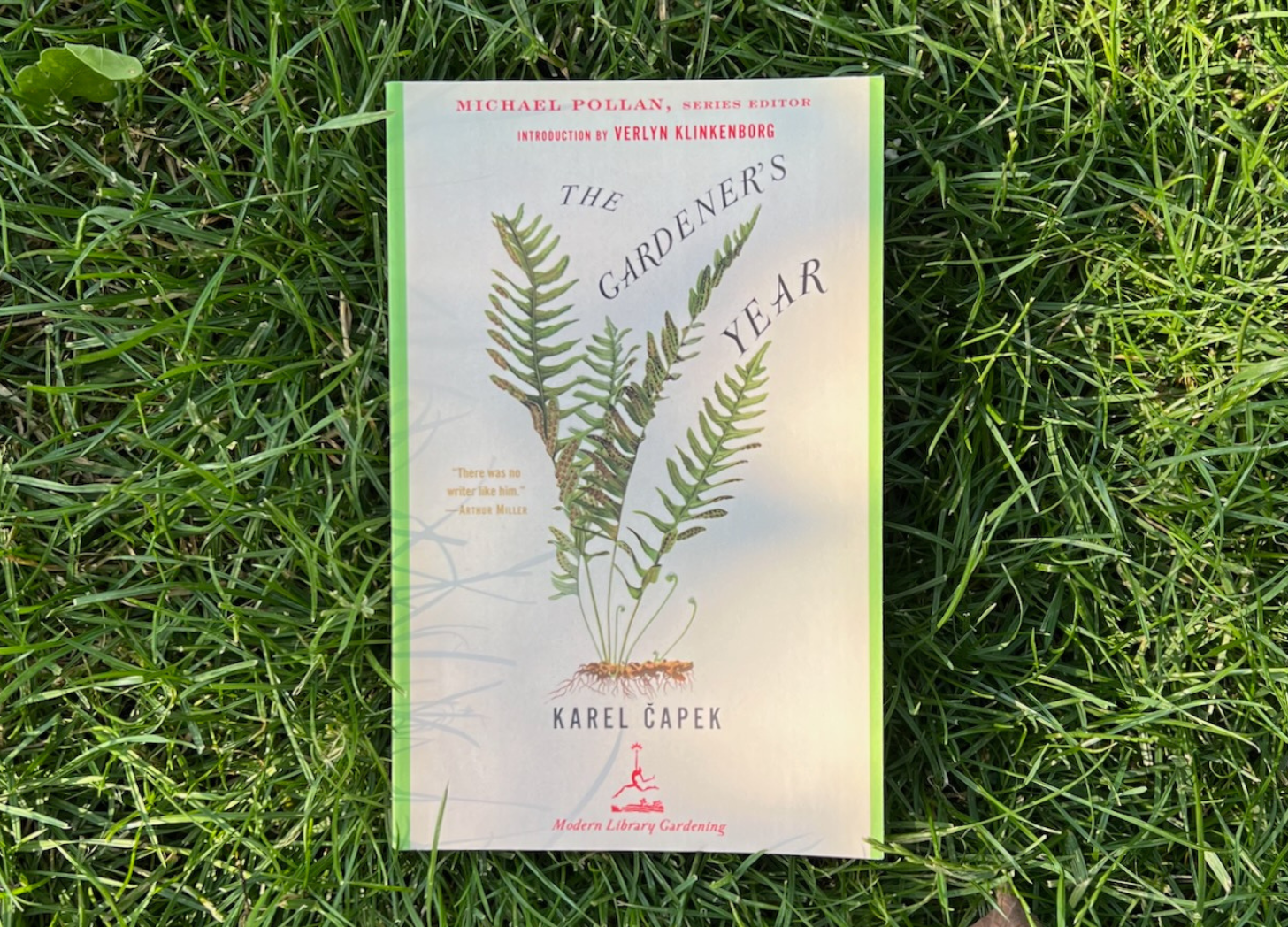
In Čapek’s words:
I will now tell you how to recognize a real gardener. “You must come to see me,” he says; “I will show you my garden.” Then, when you go just to please him, you will find him with his rump sticking up somewhere among the perennials. “I will come in a moment,” he shouts to you over his shoulder. “Just wait till I have planted this rose.”
And it goes on until the visitor, realizing the gardener will never cease running to pluck this weed or trim that errant branch or decide to transplant this bush, leaves the gardener to his obsession.
So was I in my garden. But the obliteration of Gaza in the service of what is, at heart, a Western project of colonial expansion, the idea that the West has a monopoly on the garden as a place of orderly productivity and that the rest of the world is an unruly jungle that must be subdued and cultivated by the West, has changed my perspective on my garden, or any garden for that matter. It has made me realize something I knew but did not focus on, and which I have not yet completely thought through (everything is collapsing so fast!): The idea of the garden as a sanctuary from the world can only exist as a counterpoint to perceived or actual threats from an essentially hostile world. Without these, garden walls would not be necessary. The garden, as such, would not exist.
If humanity is to survive, if freedom with dignity is to survive, if peace is to flourish where it has been heartlessly destroyed, we must rethink what the garden is, and cultivate a new paradigm. If you’re not a gardener, bear with me. If you are a gardener, bear with me too.
Despite my lived experience of gardening from tenderest childhood, I was a far less precocious reader of gardening books than Nilanjana Roy, who wrote in her aforementioned piece on garden memoirs: “I cried my eyes out as a child when I learnt that Josef Čapek — he and Karel together gave us the word “robot” — was sent to the concentration camp at Bergen-Belsen for his defiant cartoons, where he died some time in 1945.” I did not know that, and it saddens me deeply eighty years after the fact.
In our next meditation on The Garden after Gaza, we will look more closely at the idea of the garden versus the jungle at the heart of Europe’s concept of itself, zooming in on the garden in the recent film ‘Zone of Interest,’ where manicured lawns and pretty flowers exist as a direct product of the death camp at Auschwitz just over the garden wall.
Future meditations will look at the garden in Palestine, at community gardens, at the creole garden, at the wild garden, the permaculture garden, and really any other kind of garden that occurs to me as I write, or that you may suggest.
Do you garden or dream of having a garden? Are you worried about what is happening to our democracies? To our world?